Wednesday, July 8
2:30 p.m. 4:30 p.m.
CAFÉ TANGO • The distribution of power in tango with Christophe Apprill
Price : FREE
From Monday 6 to Saturday 11 July, Café Tango, presented by Serge Davy and Solange Bazely, welcomes you to the meeting space of the Ombres Blanches Bookstore for passionate and exciting encounters around tango and its culture.
Take this opportunity to discover and purchase books about tango on site, including of course those written by the authors we have invited, all of whom will be more than happy to sign them for you.
Doors open at 2pm every day.
✦ «The distribution of power in tango»
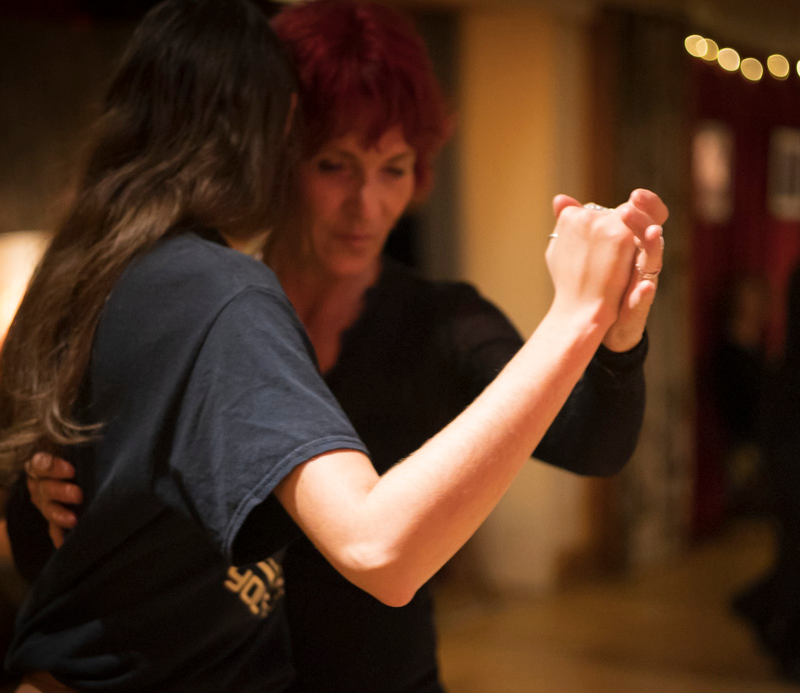
Partner dances, dances for two, floor dances, social dances, ballroom dances… many names describe the popular dances performed at social gatherings. In tango, the dance partners represent a majestic image of the couple, while simultaneously asserting the power of heteronormativity. Men who dance have it easy at the milonga. They benefit from the leniency of the patriarchal code of the social dance, inherited from the history of social dances in Europe since the beginning of the 19th century.
In light of the evolving dynamics of gender relations, particularly the denunciation of sexual and gender-based violence, the social dimension of ballroom dancing has experienced a resurgence. The "lead-follow" dynamic, itself an inadequate analysis of what actually happens during movement, is being re-examined through the lens of the development of queer tango and the concept of dual roles. Regardless of their sexual orientation, partner-roles are being renegotiated within a context where the gender mixing remains quantitatively dominant.
This renegotiation takes the form of a re-semanticization with the adoption of “leader-follower” from English. When this anglicism appeared in tango in the 2000s, it referred to the issue of sexual minorities and the stigmatization they are subjected to in reactionary circles due to their deviation from the heterosexual norm, but also to the new importance given to the question of sexual identities as constitutive of a singular identity, powerfully promoted in hyper-individualistic consumer societies.
What does it mean, and what claims does it support today? Does it succeed in breaking the continuity between ordinary life (where male domination is exercised) and the relational space of tango? Does dissociating role and gender allow for the elimination of the roles that constitute tango? Does decoupling gender and sexual orientation, in order to move towards a desexualization of the dance, lead to the suspension of domination? In these conditions, what becomes of the circulation of desire, the eros that contributes to the atmosphere of the milonga?
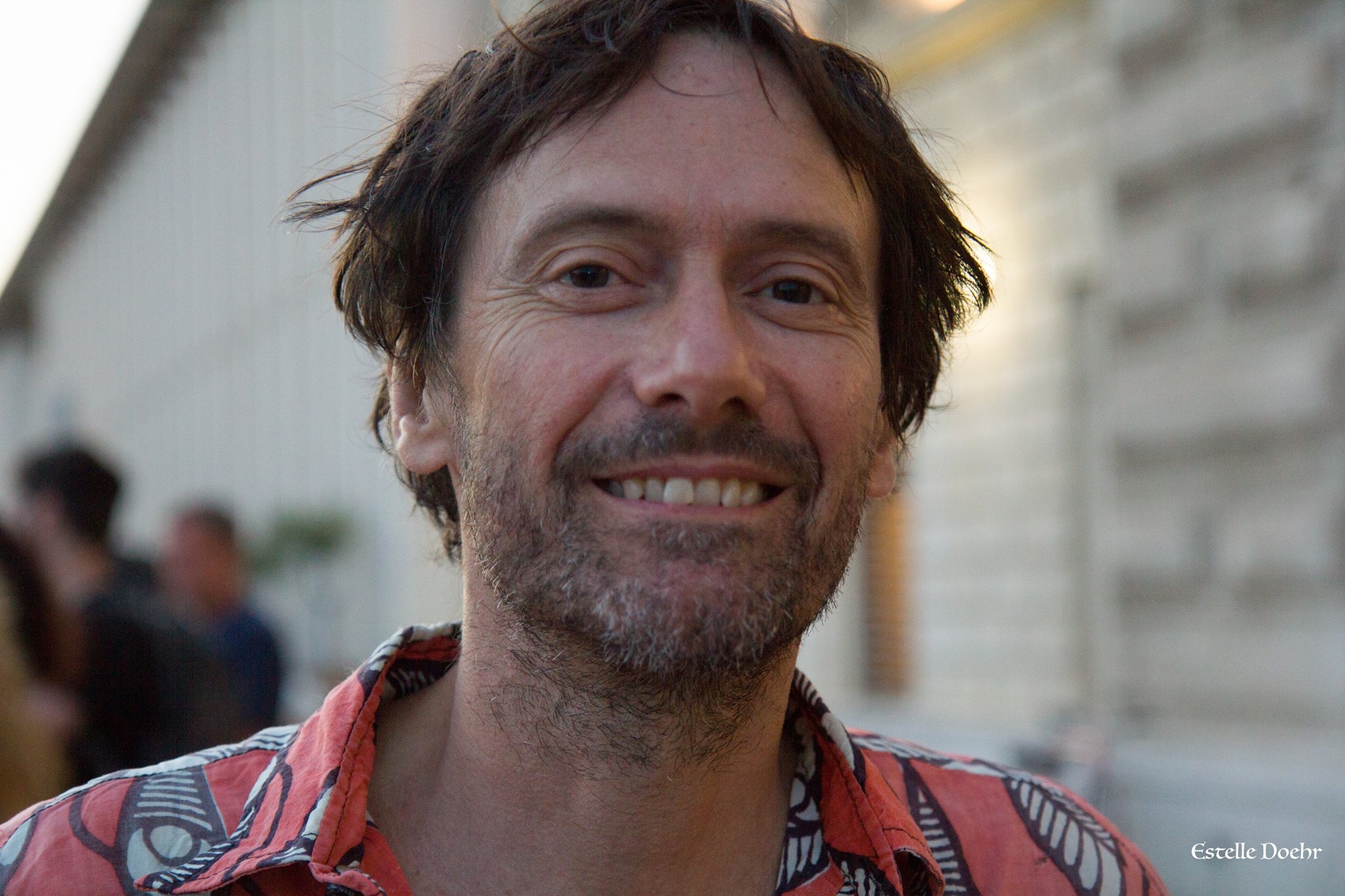
Christophe Apprill, sociologist and dancer
Christophe Apprill came to sociology through his practice of ballroom dancing. Initially trained in tango, he became a performer by joining Catherine Berbessou's dance company. As a teacher and researcher, he is the author of several books on folk dances. Latest publications: "Slow. Desire and disillusionment" (2021), "The worlds of the ball" (2018), "The daring of tango" (2012). Online articles available on the Open archives. He is also a practising gesticulating lecturer (The ball strikes back. To put an end to The Dance!)
Capitole Metro (line A)